Getting into DIY photovoltaic (PV) installations on your vehicle is a fun way to harness solar energy. Whether you want to power your gadgets or run appliances on the go, it’s totally achievable with the right approach. Let's break this down simply.
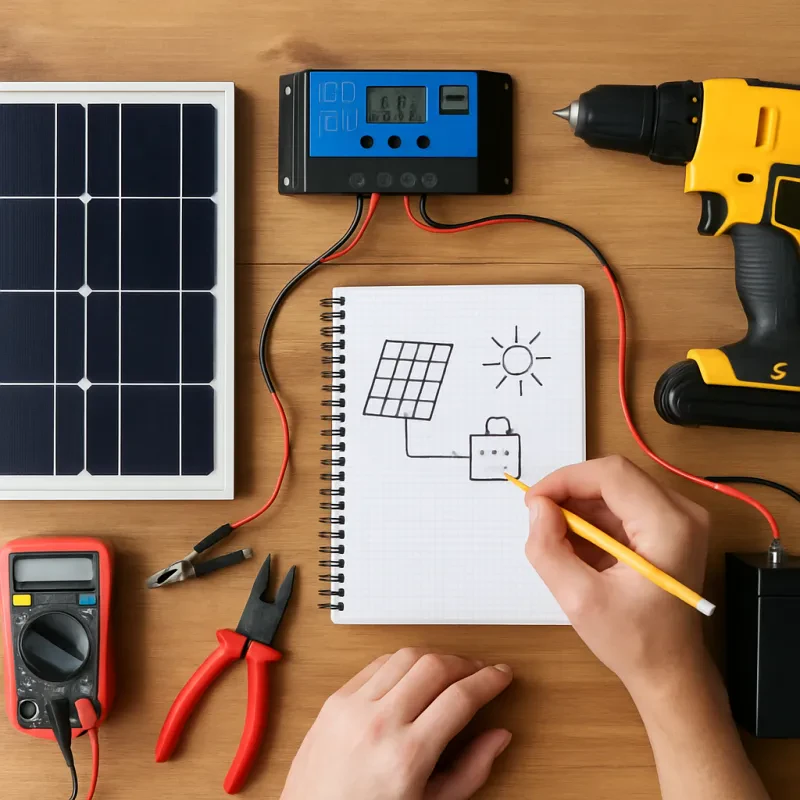
First off, you’ll need some key components for your setup. Make sure to grab:
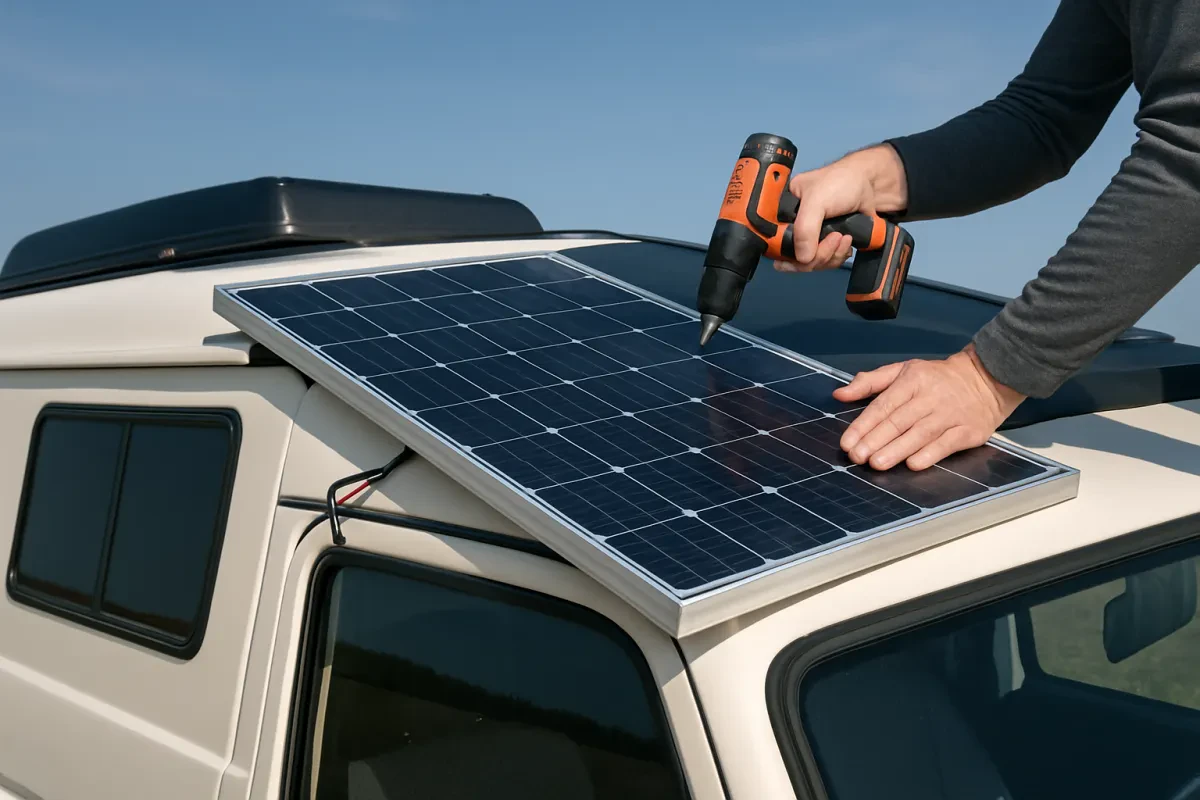
Next, think about where you'll install everything. Roofs, hoods, or even portable setups work well on vehicles. Just remember to secure the panels properly to handle wind and vibrations while you drive.
Safety also plays a big role! Make sure to follow all electrical guidelines and don't hesitate to get help if you're unsure. It's always smart to double-check your connections and protect against short circuits. You’ll want a smooth ride with no hiccups!
All of this ties into what you need to know about DIY photovoltaic PV installations on your vehicle. Equip yourself with the right tools and knowledge, and you'll be cruising with the sun’s power in no time!
Choosing the Right Solar Panels for Your Vehicle
First, think about the type of solar panel. Monocrystalline panels are popular for their efficiency and space-saving design, making them a great choice for smaller vehicle setups. Polycrystalline panels are usually a bit cheaper but need more space to deliver the same power. If weight is a concern, look into lightweight flexible solar panels, which can easily fit on rooftops and curves.
Next, consider the wattage you need. Calculate how much power your appliances require. For instance, a small fridge might need around 50-100 watts, while lights and phone chargers use much less. You’ll want panels that can handle your total wattage requirements. Don’t forget to plan for cloudy days; it’s smart to have a bit of extra capacity.
Installation is something you can tackle yourself, but make sure to use the right mounting hardware. Secure mounting prevents damage while you’re on the road. You’ll also need a charge controller to protect your batteries and a good battery bank to store your solar energy for when you need it.
Finally, make sure to consider any local regulations or restrictions regarding solar panel installations on vehicles. It’s always best to do a little homework so you can hit the road without any surprises. With these tips in hand, you’re ready to dive into the world of solar for your vehicle!
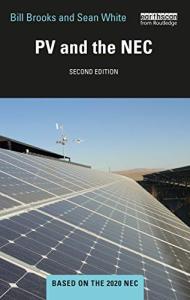
2020 NEC Guide for Photovoltaic Systems
Everything you need to know about solar installation and safety standards
Product information
Product Review Score
4.56 out of 5 stars
12 reviewsProduct links
Installation Steps for Easy Solar Setup
Getting solar set up on your vehicle doesn’t have to be a daunting task. With a little guidance, you can have your DIY photovoltaic PV system up and running in no time. Here’s a quick rundown of the installation steps that make this whole process smoother.
First things first, gather your materials. You’ll need solar panels, a charge controller, batteries for storage, an inverter to convert the power, and of course, plenty of wiring. It’s good to have all your tools like a drill, screwdriver, and wrench on hand. Knowing what you need to know about DIY photovoltaic PV installations on your vehicle will make this part much easier.
Next, plan where to place your solar panels. Most folks go for the roof since it gets the most sun. Make sure to check the angles to get the best sunlight throughout the day. Once you have your spot, secure the panels down with mounting brackets to keep them from flying off during a bumpy ride.
Now, it’s time to connect everything. Start by wiring the solar panels to the charge controller. This device is crucial because it regulates the energy going into the batteries. From there, connect your batteries to the charge controller and hook the inverter to the batteries. This will allow you to power your devices with the energy stored.
Finally, test everything out to make sure it works. Check all your connections and run your devices to see if your new solar setup is cranking out power like you planned. With a bit of patience and these simple steps, you’ll enjoy off-the-grid energy freedom on your travels!
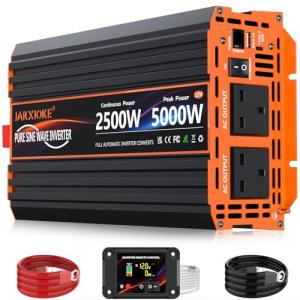
2500W Pure Sine Wave Inverter with Remote Control
Enjoy reliable power for your appliances anywhere with this easy-to-use remote control inverter
Product information
Product Review Score
4.43 out of 5 stars
24 reviewsProduct links
Maintaining Your PV System for Longevity
Taking care of your photovoltaic (PV) system is key to keeping it running smoothly and maximizing its lifespan. When you understand the basics of maintenance, you'll ensure that your DIY setup continues to power your adventures without a hitch. Here’s what you need to know about DIY photovoltaic PV installations on your vehicle.
First up, keep your solar panels clean. Dust, dirt, and bird droppings can block sunlight and reduce efficiency. A quick rinse with water can do wonders. If you have stubborn spots, a soft cloth or sponge can help. Just be gentle—scratching the surface can lead to more issues down the line.
Next, check the wiring regularly. Look for any signs of wear, fraying, or corrosion. These can cause interruptions in power flow or even make your system unsafe. Tighten any loose connections, and if you notice any serious damage, replace those sections right away. It's better to tackle small problems before they turn into big headaches.
Lastly, keep an eye on the battery health. If you're using lead-acid batteries, check the fluid levels regularly—about once a month is a good rule of thumb. For lithium batteries, a visual check for swelling or any unusual signs is important. Replace batteries when they show signs of decline to ensure you always have reliable power when you need it.