When you dive into solar installations, you'll notice that each country has its own set of rules and standards. This is all part of understanding compliance for photovoltaic installations worldwide. These regulations help ensure that installations are safe, efficient, and capable of producing the power they promise.
For instance, in the United States, the National Electrical Code (NEC) lays out specific guidelines for solar energy systems. It’s all about safety, making sure that wiring, grounding, and electrical connections are done right. Getting familiar with these requirements can save you from headaches down the line.
In Europe, the regulations can vary significantly from one country to another. Countries like Germany and Spain have set high standards for solar installations. They focus on quality and performance, ensuring that modules and inverters meet rigorous testing requirements. This means that when you choose equipment from these regions, you're likely getting something that's built to last.
Over in Australia, standards like AS/NZS 5033 guide solar panel installations, emphasizing safety and performance too. Plus, they encourage using certified products that have undergone testing. Navigating these rules might seem daunting, but it’s a crucial step for anyone serious about understanding compliance for photovoltaic installations worldwide.
As you explore solar options, keep these standards in mind. Knowing the local regulations can make your project smoother and give you peace of mind. It’s all about making sure your solar setup works well today and for years to come.
Key Regulations for PV Systems
When you’re diving into the world of solar energy, knowing the key regulations is like having a map in a new city. They guide how installations are set up and operate, making sure everything runs smoothly and safely. Let’s break down what you need to keep in mind.
First off, codes and standards can vary widely from one country to another. In places like the U.S., the National Electrical Code (NEC) lays out the rules for solar panel wiring and installations. Other regions might rely on local standards or international guidelines, like IEC (International Electrotechnical Commission) standards. Staying up to date with these helps ensure your PV system is both efficient and compliant.
Permits are another big piece of the puzzle. Many local governments require permits for solar installations to make sure they’re safe and up to code. Not getting the proper permits can lead to fines or even having to take down your system. It’s a hassle, but it’s usually worth it to have everything on the up and up.
Besides local codes and permits, you also need to think about utility regulations. Companies that provide electricity often have specific requirements for connecting your PV system to the grid. Understanding these rules ensures you can sell any extra power you generate back to the grid. This step is big in maximizing your investment in solar energy.
In short, if you’re truly interested in Understanding Compliance For Photovoltaic Installations Worldwide, keeping an eye on these regulations, permits, and utility rules is crucial. It might feel like a lot at first, but getting all the details right will pay off in the long run. It’s about setting up your system the right way so you can enjoy clean, efficient energy for years to come!
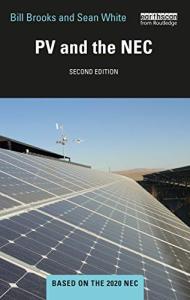
2020 NEC Guide for Photovoltaic Systems
Everything you need to know about solar installation and safety standards
Product information
£162.51
Product Review Score
4.56 out of 5 stars
12 reviewsProduct links
Navigating Local Compliance Requirements
First, get to know the local laws in your area. This means checking for building permits, zoning regulations, and any specific codes that apply to solar energy. Some places even have incentives for using renewable energy, which is a big plus. Researching these details will save you time and headaches down the road.
Don’t forget about safety standards! These are crucial for not only your installation but also for your peace of mind. You might need inspections at different stages, and often that's part of getting your energy system hooked up to the grid. Understanding compliance for photovoltaic installations worldwide means being aware of the proper certifications and quality checks for both products and installation services.
Speaking of services, connect with local contractors who specialize in solar setups. They usually know the ins and outs of compliance in your area. They can help guide you through the process and ensure you have everything covered. Remember, being compliant is not just a legal requirement; it protects your investment and promotes the growth of clean energy.
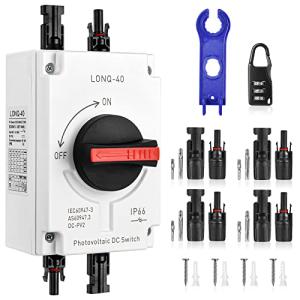
OFFCUP DC Isolation Switch for Solar PV Systems
Keep your solar setup safe and efficient with the OFFCUP DC Isolation Switch, designed for reliable performance in any PV system
Product information
£39.99 £33.99
Product Review Score
4.92 out of 5 stars
127 reviewsProduct links
Steps to Ensure Installation Compliance
When diving into the world of solar energy, it’s crucial to ensure that your photovoltaic installation meets all the necessary standards. You don’t want to cut corners and end up facing legal troubles or safety hazards down the line. Here are some simple steps to help you stay on track.
First, do your homework. Research the local regulations and guidelines for solar installations in your area. Different regions have varying rules, and being informed is key to Understanding Compliance For Photovoltaic Installations Worldwide. Check with local authorities or utility companies to get the scoop on what’s required.
Next, hire qualified professionals. Don’t settle for just anyone when it comes to the installation. Look for certified solar installers who understand compliance standards. They can help you navigate the paperwork and ensure everything is done right, from permits to inspections.
Make sure to keep detailed records. Save all documents related to your installation, including permits, contracts, and inspection reports. Having a paper trail can be invaluable in case you ever need to prove compliance or troubleshoot issues later on.
Lastly, conduct regular maintenance. After your solar system is installed, keep an eye on it. Schedule periodic inspections to ensure everything is functioning properly and remains compliant with ongoing regulations. Being proactive can save you a lot of headaches down the road.