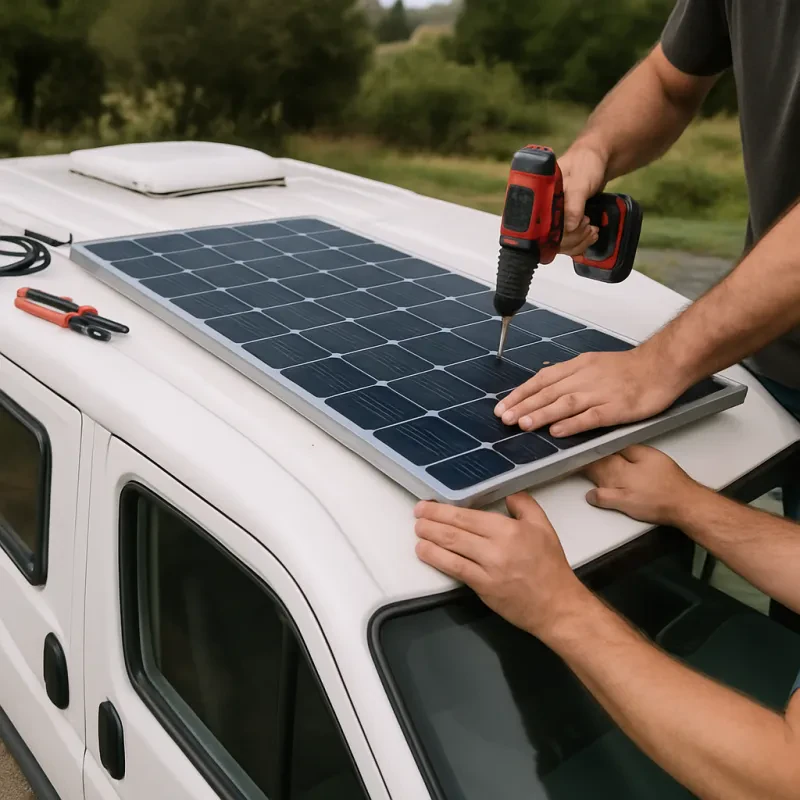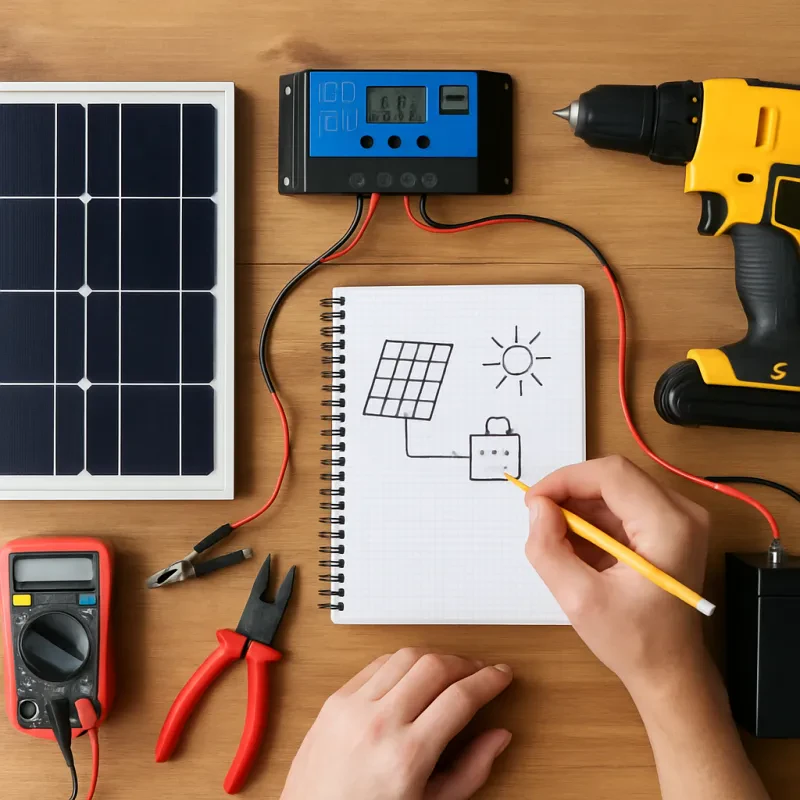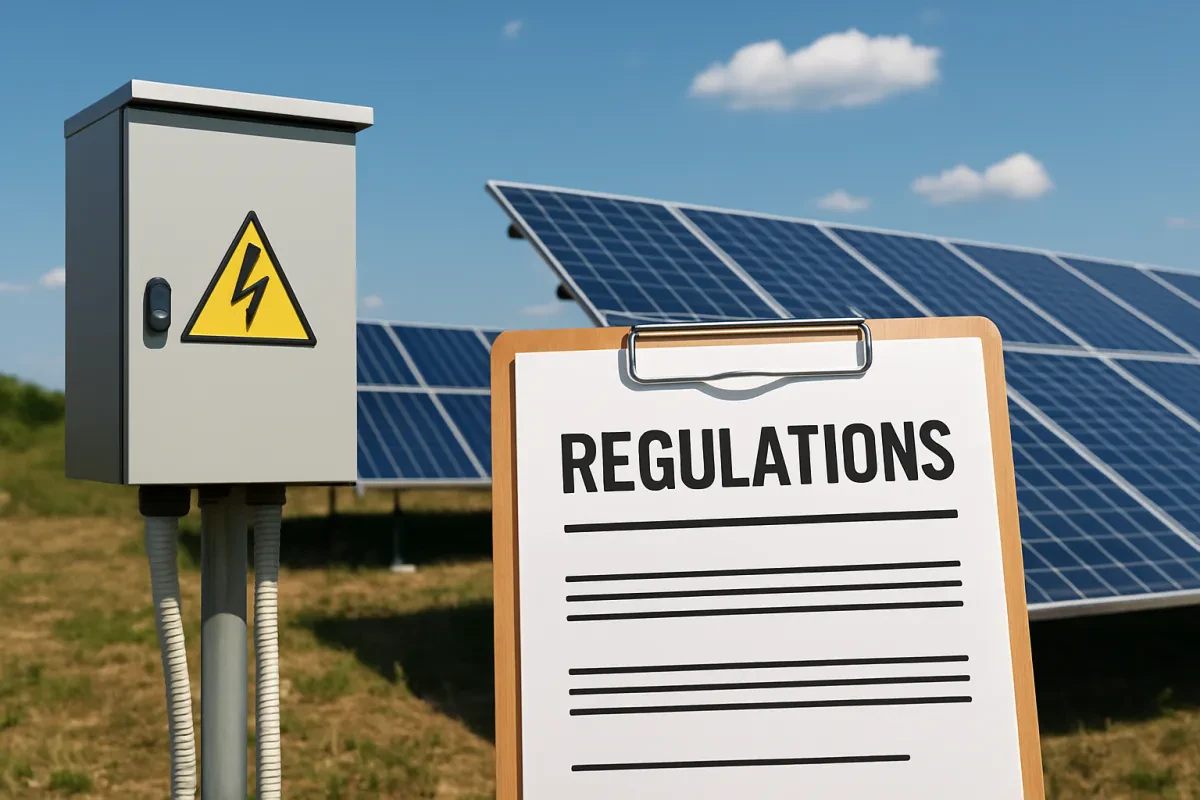
Permits are a big part of the process. Most places require you to get a permit before you install your system. This is to ensure that everything is up to code and safe. Some regions might have specific requirements for the size and type of your photovoltaic system. Don’t skip this step. It’s not just about following the rules; it’s about making sure your setup runs efficiently.
Another thing to keep in mind is net metering. If you ever plan to connect your off-grid system to the grid, you’ll want to understand how net metering works in your area. This allows you to sell excess power back to the grid, which can help you save on electricity costs when you’re not relying solely on your off-grid system. This ties into the bigger picture when we talk about Photovoltaic Industry Regulations For Off-Grid Installations.
Lastly, be aware of any incentives or rebates that might be available for installing solar. Many states offer financial perks for going solar, which can help offset the initial costs. This can make it a lot easier to invest in your future with solar energy. Always do your homework ahead of time so you can take advantage of what’s out there.
Key Permit Requirements Explained
When diving into the world of photovoltaic systems for off-grid installations, understanding key permit requirements is crucial. Each region has its own set of rules, but there are some common themes. First up, you'll often need a building permit. This is essential because it ensures your system meets local safety and structural standards.
Next, don’t forget about electrical permits. Since you’re dealing with power generation, local authorities want to make sure everything is up to code. This helps prevent hazards and ensures your system runs smoothly. Always check with your local building department for specifics—you don’t want any surprises.
Another important aspect is environmental impact assessments. In certain areas, especially where nature is part of the landscape, you might need to show that your solar setup won’t harm the environment. This can seem daunting, but it’s all about keeping local wildlife and ecosystems safe while you harness solar energy.
Finally, check if your state or local government offers any incentives or grants related to solar installations. These can sometimes simplify the permitting process or provide financial assistance. Navigating these Photovoltaic Industry Regulations For Off-Grid Installations might seem tricky at first, but taking the time to understand the necessary permits can save you headaches down the road.
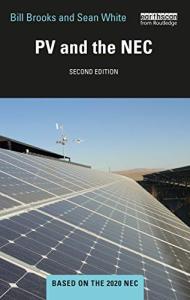
2020 NEC Guide for Photovoltaic Systems
Everything you need to know about solar installation and safety standards
Product information
Product Review Score
4.56 out of 5 stars
12 reviewsProduct links
Safety Standards You Should Know
When diving into off-grid solar setups, safety should be top of mind. If you're looking into how to meet the standards set by the Photovoltaic Industry Regulations For Off-Grid Installations, you’ll want to keep a few important things in mind.
First up, the National Electrical Code (NEC) is your go-to guide. It lays out the rules for electrical systems, including how to install solar panels safely. Understanding NEC requirements helps keep your setup safe from the get-go. Make sure your wiring, fuses, and disconnects meet these standards. If not, you could face some serious hazards down the line.
Another biggie is ensuring your panels and equipment are certified. Look for products that come with UL certification, which means they’ve been tested for safety and performance. You’ll also want to check if your inverter and battery storage comply with local codes. These certifications not only keep you safe but can also make your installation smoother.
Don’t forget about grounding and surge protection. Proper grounding prevents electrical shocks, while surge protectors keep your equipment safe from lightning strikes or power surges. Both are must-haves in any off-grid system that follows Photovoltaic Industry Regulations For Off-Grid Installations—nobody wants a fried system after a storm!
Finally, if you're not sure where to start, consult with a professional. They can guide you through the maze of regulations and help you get your off-grid installation set up safely and efficiently. A little help goes a long way in making sure you stay compliant and safe.

VIVLLEN Solar Panel Connector Cables - 10 Pairs
Quick and easy connections for your solar setup that keep your energy flowing smoothly
Product information
$10.56
Product Review Score
4.41 out of 5 stars
57 reviewsProduct links
Tips for Complying with Local Laws
When diving into the world of solar energy, knowing the local laws is a biggie. Each state or region has its own set of Photovoltaic Industry Regulations For Off-Grid Installations, and being in the loop can save you time and headaches down the road. Here are some practical tips to help you navigate through those regulations easily.
First off, do your research. Look up local regulations before you start any installation. Websites from your state’s energy department or local building authorities can be goldmines for information. They usually outline the specific rules you'll need to follow. Familiarize yourself with things like permits, zoning laws, and any inspections that are required.
Next, don’t shy away from reaching out to local experts. A quick chat with a local solar installer or contractor can clear up a lot of confusion. They often have firsthand experience with the Photovoltaic Industry Regulations For Off-Grid Installations in your area and can provide insights that you might not find online.
Joining local solar or renewable energy groups can also be beneficial. These communities share updates on regulations, tips from recent projects, and connections to those who are already in the off-grid game. You’ll gain valuable insights and camaraderie from fellow solar enthusiasts.
Lastly, keep paperwork organized. Make sure to collect and store all the documents related to your installation and permissions. Having everything in one spot helps if you ever need to reference something, especially when it's time for inspections or if questions come up. Following these steps will ensure you’re on the right side of the law while enjoying your off-grid solar adventure!